
The U.S. The Department of Labor and the Occupational Safety and Health Administration (OSHA) released new guidance, OSHA4519, to assist workplaces in handling potential opioid overdoses. Addiction recovery and workforce support are the focus of a federal program, the Great American Recovery Initiative, established in 01 of 2026.
Acting Secretary of Labor Keith Sonderling noted that the guidance reflects the department’s mandate to incorporate recovery support into broader workforce strategies. The materials, titled “Opioid Overdose Rescue with Reversal Medications,” offer practical steps for businesses to recognize the physical signs of an overdose and perform emergency interventions.
White House Drug Czar Sara Carter says synthetic opioids in the illicit supply require workers to be prepared. Laborers must learn how to recognize and treat overdose events. The federal guidance emphasizes the importance of utilizing life-saving reversal treatments, specifically identifying naloxone and nalmefene as critical tools.
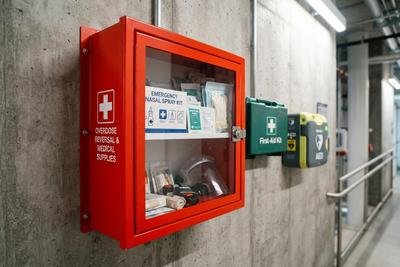
OSHA recommends that employers treat overdose reversal kits as standard medical equipment. Like automated external defibrillators or first-aid supplies, these kits require placement in highly visible areas. They must remain easy to access during a crisis. The agency notes that these medications, which are approved by the FDA, are safe and do not cause harm if administered when opioids are not actually present.
Employers are advised to train staff on the specific symptoms of an opioid overdose. Key indicators include pinpoint pupils, a lack of responsiveness, bluish skin or lips, and breathing that is either significantly slowed or has ceased entirely. Workers should be taught how to safely position an affected person and provide care while emergency services are en route. The agency stresses that while these reversal agents are vital for stabilization, they do not negate the need for professional medical intervention. Calling 911 remains a mandatory step, as the effects of the reversal medication are only temporary.
This development is significant for insurers and risk managers, as it establishes a clearer standard for workplace safety preparedness regarding the ongoing opioid crisis. By integrating these procedures into health and safety programs, businesses may better mitigate emergency risks, potentially impacting workers’ compensation considerations and overall liability exposures.
Image is an illustration created with AI for general context
Source: U.S. Department of Labor










