
The U.S. A strategy for removing toxic arsenic from the site of Vineland Chemical Co. has been finalized by the Environmental Protection Agency., Inc. Superfund site located in Vineland, New Jersey. This initiative focuses on treating saturated soil situated beneath the groundwater table, which remains a primary source of environmental degradation for local water, sediment, and floodplains.
The agency says this plan marks progress in handling the facility’s complex legacy. It manufactured arsenic-based agricultural chemicals from 1949 until 1994. Regional Administrator Michael Martucci noted that the strategy aims to curb the persistent spread of contaminants, protecting both public health and the surrounding ecosystem for the future. The project includes provisions for continuous site monitoring to verify the success of these interventions and to gauge whether subsequent measures will be required.
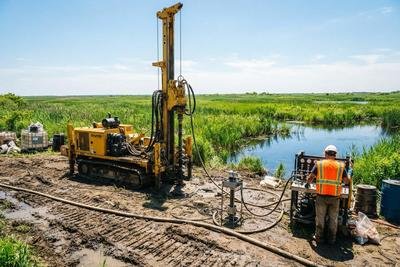
The agency has outlined several technical methods to address the soil contamination. The plan calls for the introduction of air into underground soil layers to help stabilize the pollutants. In other zones, workers will inject iron-based substances designed to immobilize arsenic, preventing its migration. Additionally, crews will install a horizontal hydraulic barrier to block arsenic from entering floodplain areas and sediment. The project also encompasses the restoration of wetlands impacted by these remediation efforts.
This site was designated for the Superfund National Priorities List in 1984 following reports of widespread chemical issues caused by the improper storage of arsenic byproducts. Past efforts were extensive. Workers demolished hazardous structures and processed more than 400,000 tons of material using a soil washing procedure. The New Jersey Department of Environmental Protection manages a groundwater pump-and-treat system here, 0 milestones since its 1984 listing. These developments matter to insurers and risk managers monitoring environmental liability. They illustrate the complexities and evolving technical solutions involved in managing legacy industrial hazardous waste sites.
Image is an illustration created with AI for general context










