
The U.S. The Environmental Protection Agency (EPA) has authorized revisions to the SIP for Georgia to help simplify the state’s industrial permitting procedures. This regulatory shift follows Georgia achieving full compliance with the National Ambient Air Quality Standards (NAAQS) as of 2022. Because the state currently meets federal benchmarks, the agency stated that strict permitting mandates for nonattainment areas are unnecessary. These are no longer required under the Clean Air Act (CAA).
The EPA Region 4 press release 8-562-8400-404 confirms that NNSR requirements are now obsolete. Additionally, the EPA is eliminating specific provisions concerning emission reduction credits and other programs previously required during periods when Georgia had designated nonattainment zones. The agency stated that these adjustments will not undermine the state’s continued ability to maintain current air quality levels, as existing safeguards remain within the broader regulatory framework.
Industry observers suggest this change aims to facilitate infrastructure development and manufacturing investment. By reducing administrative hurdles, the move is intended to provide a more predictable environment for companies looking to establish or expand operations in Georgia. EPA Regional Administrator Kevin McOmber called this a practical application of cooperative federalism. He emphasized that the state keeps the authority needed to protect air quality for residents.
The regulatory transition follows a period of assessment that began with an EPA proposal on September 2, 2025. That initial announcement led to a 30-day public comment period prior to the final approval. This status stems from the Atlanta region’s October 17, 2022, redesignation under the 2015 ozone NAAQS, a fact noted on October 8, 2026. Since that time, Georgia has held no designated nonattainment areas.
Insurance professionals should note that the Region 4 Press ( [region4press@epa. release indicates these relaxed requirements could shift construction risk and environmental liability underwriting across Georgia. Brokers and insurers monitoring energy or manufacturing projects in Georgia should note that while federal burdens have been reduced, state-level permitting protections remain in effect. Professionals should assess how these shifts in regulatory oversight might influence project timelines and the overall risk profile for new industrial facilities seeking to enter or grow within the market.
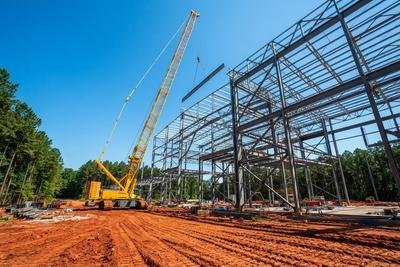
Image is an illustration created with AI for general context










