
The Associated General Contractors of America, or AGC, supports the Bipartisan American Affordability and Jobs Act of 2026. This proposed legislative package aims to reform federal permitting processes. On October 6, the organization endorsed S. 5653 in a letter addressed to the Senate Committee on Energy and Natural Resources and the Senate Committee on Environment and Public Works. 5653 as a critical step toward reducing administrative bottlenecks that often hinder construction progress.
According to the AGC, the construction industry faces significant challenges from prolonged federal reviews and frequent litigation. These delays often result in increased labor and material expenses, forcing contractors to adjust project pricing and contend with potential cost overruns. Furthermore, the uncertainty created by these timelines impacts the labor market, as firms may hesitate to hire new workers or be forced to reduce their current staff levels. Such volatility can stifle regional economic development where infrastructure projects are essential drivers of growth.
Key provisions within the bill address several primary objectives the AGC has pursued to streamline operations. Specifically, the proposal seeks to reduce the statute of limitations for judicial challenges related to National Environmental Policy Act (NEPA) decisions. The legislation would shorten this window from 6 years to 150 days. Additionally, the bill introduces a requirement that any party seeking to challenge a NEPA decision must have actively participated in the agency review process before a final determination was reached. The legislation also aims to bring improved consistency and predictability to permitting procedures mandated under the Clean Water Act.
For insurers and surety professionals, these reforms represent a potential shift in the risk landscape for large-scale construction projects. By creating a more defined timeline for legal challenges and regulatory review, the bill could mitigate some of the uncertainties that currently lead to bond claims or contract disputes. Improved regulatory predictability generally supports more stable project delivery, which helps underwriters more accurately assess the risks associated with long-term infrastructure contracts and contractor performance.
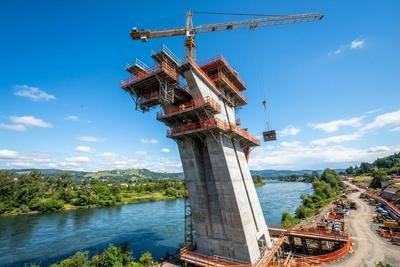
Image is an illustration created with AI for general context










