
Construction project management is shifting toward a more collaborative approach with the introduction of artificial intelligence in scheduling, according to a recent report from the Associated General Contractors of America. The organization highlights the launch of “Manny,” an AI-based assistant from the software developer Planera, designed to move scheduling beyond the confines of legacy systems.
Traditional project scheduling often relies on specialized software like the P6 legacy tool, which requires extensive training and limits expertise to only one or two people. By contrast, Planera aims to integrate field staff and project teams into the scheduling process directly. The AI assistant allows users to run “what-if” scenarios, enabling teams to evaluate the downstream consequences of delays, such as late material deliveries or site-specific challenges.
For insurers and project managers, the implications for risk management are significant. Travis McGarraugh, operations director for Balfour Beatty, suggests that this technology could transform how claims are handled. The AI models the impact of change orders like work across 30 floors or unexpected project delays. This allows firms to substantiate time extension claims with greater ease. Historically, such claims were often avoided due to the complexity of proving the financial and temporal impact.
Scotland Foss, head of sales for Planera, notes that the platform is designed to improve communication between the 12 stakeholders involved in a project. By translating complex critical path method data into an accessible format, the software helps owners, superintendents, and subcontractors coordinate more effectively. This shift allows human experts to focus on strategic decision-making rather than the administrative burden of manually updating schedules.
As the industry faces mounting pressure to deliver complex infrastructure and data center projects, legacy tools may struggle to keep pace with demand. The adoption of AI-driven platforms suggests a broader trend toward digitizing risk assessment and operational planning. For insurance professionals, tools that offer transparent, evidence-based scheduling could lead to more accurate risk underwriting and more streamlined resolution of project-related disputes.
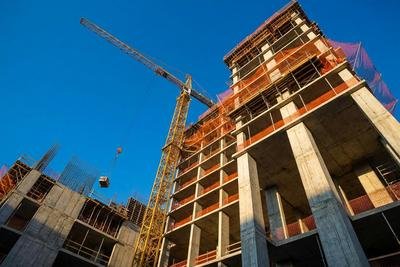
Image is an illustration created with AI for general context










