
In a recent analysis, Sound Capital warns that homebuilders must prioritize operational stability and profitability before attempting to scale their business. While many firms have navigated a challenging environment since 2022 by relying on incentives, the current market climate shows signs of a shift. According to the company, builders who use increased volume to solve underlying inefficiencies often find that growth magnifies existing weaknesses instead of fixing them.
The insights shared by Sound Capital highlight the risks associated with rapid expansion, particularly regarding capital requirements and labor coordination. Expanding from 10 to 20 home projects demands heavy investment in labor and capital. If demand rises 20% tomorrow, robust systems are needed to protect your financial health. The firm suggests that success in the upcoming recovery phase will depend less on outward appearances and more on precise financial visibility.
Context for this shift is provided through broader industry data. Data from the National Association of Home Builders (org/2026/08/affordability-pressures-keep-builder-confidence-low/8/6) shows two-thirds of builders provide incentives to keep sales moving. At the same time, the market retains a supply lasting 9.4 months, and sales of new houses have seen double-digit drops year over year.4-month supply, and new home sales have experienced double-digit declines compared to the previous year. While analysts suggest the housing recession may be stabilizing, the transition from contraction to potential recovery brings new hazards for unprepared firms.
Emma Wildermuth of The Shinn Group, featured in discussions on the Builder Straight Talk podcast, emphasized that builders should ensure their core operations are profitable before seeking expansion. Sound Capital notes that growth on paper often differs significantly from growth in practice, requiring firms to systematize their workflows before breaking ground on additional projects. Without such preparation, builders may find that the gap between projected success and actual revenue is difficult to bridge.
For insurance professionals and risk managers reviewing gov/construction/nrs/pdf/newressales_202604, these observations highlight a critical period for construction clients. As contractors transition toward growth, those without a clear understanding of their unit economics may face heightened insolvency risks. Insurance providers should remain mindful that firms prioritizing quick volume over disciplined systems are more likely to encounter operational failures that can lead to increased claims and financial instability.
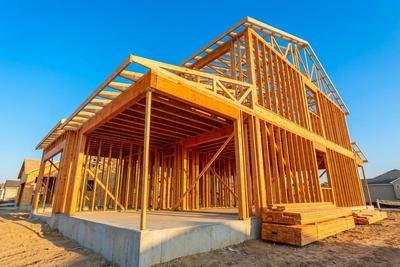
Image is an illustration created with AI for general context
Source: Sound Capital










