
The integration of artificial intelligence across various industries is prompting a significant shift in how carriers manage risk, according to a recent analysis by McGriff. As AI tools become common for tasks ranging from project design to site monitoring, insurers are increasingly focused on the potential for AI-driven losses. This transition is forcing the market to address how traditional policies respond to claims where technology plays a contributing role.
McGriff reports that many carriers are currently navigating this shift by narrowing the scope of standard business policies. Rather than relying on existing language, insurers are proactively filing new exclusions with state regulators for various lines of coverage. Insurers are introducing these measures to restrict or remove coverage for artificial intelligence within policies covering employer’s liability, commercial auto, and general liability.
In January 2026, the Insurance Services Office released three endorsements for liability policies. These forms aim to exclude damages stemming from AI claims. These are identified as CG 35 08, CG 40 47, and CG 40 48. Furthermore, certain insurers are adding explicit AI and cyber exclusions to their revised builder’s risk policies. While many of these changes have not yet been applied universally, brokers and policyholders should anticipate these exclusions appearing more frequently during upcoming renewals.
This evolution mirrors historical shifts in the industry where coverage gaps led to the creation of specialized products, such as the relationship between professional liability and general liability policies. Cyber liability insurance might cover some AI-related claims to a limited extent. However, McGriff analysts warn these products will likely prove inadequate as AI integration in business operations deepens. Consequently, the market is beginning to develop dedicated insurance products to address specific AI exposures. These emerging policies aim to cover risks such as intellectual property infringement, bodily injury or property damage caused by AI, financial losses from erroneous system outputs, and regulatory penalties.
The rapid development of these products and exclusions creates potential uncertainty regarding coverage interpretation. Experts warn that the lack of legal testing for these new policy forms could lead to litigation, unexpected claim denials, and gaps in protection. Insurance professionals must track how these policy definitions change. The disconnect between modern technology risks and existing coverage will likely remain a volatile issue for some time.
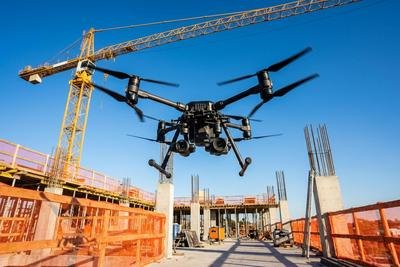
Image is an illustration created with AI for general context
Source: McGriff










