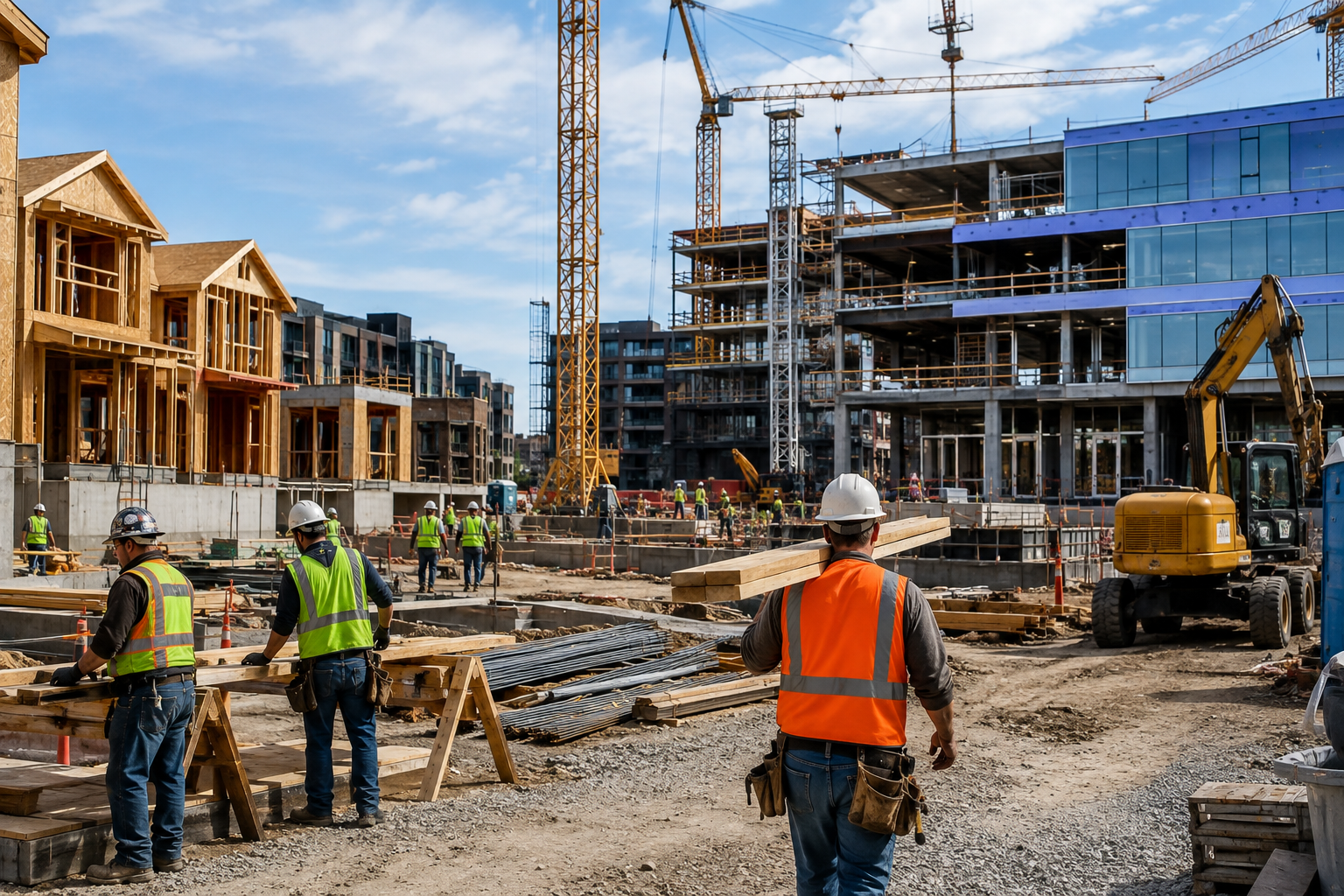
Construction activity across the United States continued to edge higher in March, supported largely by gains in private-sector building projects, according to newly released federal data.
Figures published Thursday by the U.S. Census Bureau showed total construction spending reached a seasonally adjusted annual pace of $2.185 trillion in March 2026. That represented a modest increase from February’s revised estimate of $2.173 trillion and marked a 1.6% rise compared with the same month a year earlier.
During the first quarter of 2026, overall construction expenditures totaled approximately $479.4 billion. Federal data indicated that amount was slightly ahead of spending recorded during the opening three months of 2025.
Private construction remained the strongest contributor to overall growth. Spending in the sector advanced to an annualized rate of $1.659 trillion in March, rising 0.8% from the previous month.
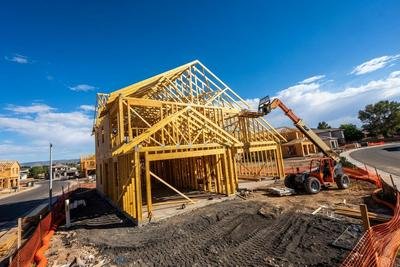
Residential building activity posted one of the larger monthly gains. Home construction spending climbed to $929.7 billion on a seasonally adjusted annual basis, up 1.7% compared with February levels. The increase suggests housing-related projects continued to provide support for the broader construction market despite ongoing financing pressures and elevated borrowing costs.
Nonresidential construction, however, showed weaker momentum. Spending in that segment slipped slightly to $729.4 billion, reflecting a small decline from February’s revised estimate.
Public-sector construction spending moved lower during the month. Government-funded projects were estimated at an annualized rate of $526.4 billion in March, down marginally from February.
Educational construction projects recorded a modest decrease, with spending falling to $113 billion. Highway and street construction also softened slightly, reaching an annualized pace of $147.8 billion.
Despite some pullback in public infrastructure categories, the broader trend in construction spending has remained relatively stable over the past year. A chart included in the Census Bureau report showed overall spending continuing on an upward trajectory since 2020, with private construction accounting for the largest share of activity.
Economists and industry analysts often monitor construction spending as a key measure of economic momentum because it reflects investment trends across housing, commercial development, manufacturing facilities, and public infrastructure.
The latest report arrives as builders and contractors continue navigating higher material costs, labor shortages, and shifting interest rate expectations. Even so, the March figures indicate that construction demand has remained resilient in several major sectors of the economy.
The Census Bureau said its next monthly construction spending report is scheduled for release on June 1, 2026.
Source: U.S. Census Bureau
Link: https://www.census.gov/construction/c30/current/index.html?utm_source=chatgpt.com