
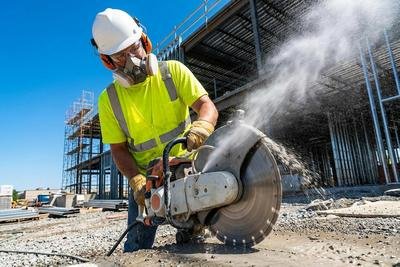
Construction safety managers are being encouraged to shift their focus toward long-term health hazards that often go overlooked compared to immediate physical dangers. According to a recent announcement from the Associated General Contractors of America (AGC), the industry faces significant challenges from exposures that do not present immediate symptoms. Contractors are often adept at spotting common risks like heavy equipment or falling. However, the organization warns that silent hazards—specifically silica, lead, asbestos, and excessive noise—demand different management strategies.
The AGC identifies these threats by their long latency periods, which can mask the seriousness of the underlying exposure. Because health impacts may take years to manifest, these risks can create significant, long-term consequences for both the workforce and project stability. To combat this, the association is promoting its Health Hazards in Construction (HHC) training course, designed to equip professionals with the industrial hygiene knowledge necessary for modern job sites.
The curriculum focuses on providing actionable strategies to evaluate and control exposures related to heat stress and toxic materials. By applying these techniques, safety officers can mitigate risks before they influence company performance or lead to workers’ compensation claims. The course emphasizes practical application, ensuring that attendees can implement new safety protocols immediately upon returning to their active projects.
This training also serves as a core component of the broader Construction Safety Management Certificate (CSMC). The HHC course represents one of four mandatory sessions required to achieve the full certification. For safety professionals, this development underlines a growing industry need for deeper expertise in environmental and health-related risks that extend beyond traditional site safety. As insurers and underwriters increasingly evaluate how firms manage occupational health, these training opportunities provide a pathway for contractors to reduce their overall risk profile. Professionals looking to bolster their safety documentation and management practices should consider these certifications as a way to enhance operational standards across the board.
Image is an illustration created with AI for general context










