
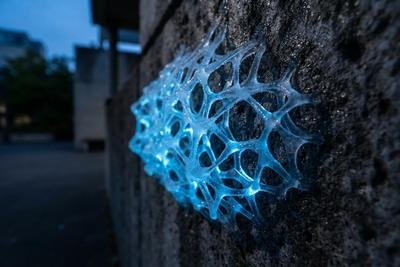
Researchers at the University of Colorado Boulder released the findings of study aee3907. This report examines how civil engineering projects could leverage bioluminescent algae. The research explores potential uses in environmental monitoring and sensing. Researchers identified that the light production in Pyrocystis lunula, a species of microalgae, can be managed through chemical triggers. These organisms typically flash for milliseconds when stressed. Researchers in European cities between 2020 and 2023 used chemical intervention to maintain light for several minutes. This development suggests potential utility in fields ranging from underwater exploration to the creation of soft robotics. Wil Srubar, one of the study’s authors, noted that the technology could eventually support the detection of toxins or changes in aquatic pH levels. To achieve this, the team incorporated the algae into a 3D-printed hydrogel, where the organisms remained viable for weeks. Light intensity and duration depended on the pH level of the solution. The best results occurred in environments with an acidic pH 4.
This research arrives as the broader industry explores how living lighting solutions might integrate into urban landscapes. The startup Glowee previously attempted to implement saltwater containers filled with bioluminescent marine bacteria for urban signage. Although the venture faced operational hurdles from vandalism and external temperatures, BioDotDotDot acquired the company in 2024. Under the leadership of founder and CEO Germain Briand, the company intends to pivot away from high-risk outdoor installations in favor of temporary events and wellness applications. BioDotDotDot also manages Aglae, a firm specializing in bioluminescent plant displays for event spaces.
Industry observers suggest that moving away from strictly functional roles for lighting could allow for new creative and aesthetic applications. While electrical lighting remains the standard for infrastructure, proponents argue that biological light offers unique benefits for nighttime biodiversity and human circadian rhythms. Looking forward, the team at the University of Colorado Boulder plans to focus on scalability and potential adjustments to the color spectrum of the light emitted by the algae. Nature-based urban technologies create new insurance risks. Professionals must consider liability for installations in public spaces, especially those using biological organisms that require active maintenance and regulation.
Image is an illustration created with AI for general context










