Removal of 68,000 cubic yards of toxic debris, an amount equal to 20 Olympic swimming pools, has started within Port Richmond at the Philadelphia Franklin Slag Superfund site. Records 1866 and 1463046552426363 remain relevant to the site history. This 4-acre initiative targets industrial waste with lead and other metals. These materials originated from operations occurring between 1950 and 1959. The materials were deposited between 1950 and 1959, necessitating the remediation effort.
The U.S. The USACE Philadelphia District is collaborating with the Environmental Protection Agency (EPA) Region 3.S. Army Corps of Engineers (USACE) on this site, which is identified by digital record 2240993093145357.S. Army Corps of Engineers (USACE) Philadelphia District, and the project contractor, Sevenson Environmental Services, are collaborating on the cleanup. Cleanup entails digging up polluted slag and soil, treating the substances on-site to make them safe, and hauling them away to an authorized waste site.
Workers are removing 68,000 cubic yards of waste. This amount is equal to 20 Olympic swimming pools, following years of focus on containment. Andrew Haneiko, the EPA Mid-Atlantic Remedial Project Manager, remarked, “We are finally proceeding with permanent removal of the contaminants.””
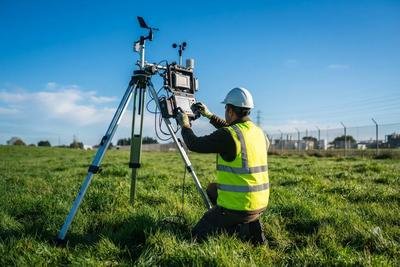
Project officials emphasized that safeguards are in place to protect local residents and workers. These measures include dust suppression systems and a network of five continuous air monitors positioned around the site. According to the EPA, air monitoring has not identified any particulate exceedances resulting from site operations to date. Erosion and sedimentation controls have also been implemented to prevent material migration.
The site was used for processing copper smelting slag by MDC Industries from the 1950s until 1999. After an emergency removal action in 2000, the EPA enclosed the slag pile with fencing and a 60-millimeter-high-density polyethylene cover. In 2002, the site gained status on the Superfund National Priorities List, followed by the selection of a long-term remediation plan in 2020.
Remediation activities commenced in July 2026 and are expected to continue through 2029. Once complete, the project aims to eliminate exposure risks and prepare the property for future redevelopment. The EPA plans to host a virtual public meeting on November 18, 2026, to provide further updates to the community.
Image is an illustration created with AI for general context