
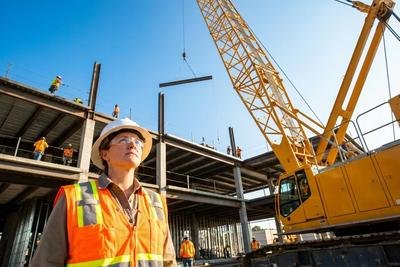
The Associated General Contractors of America recently highlighted the evolving landscape for women in the construction sector, shifting the focus from simple recruitment to long-term professional retention. Industry professionals suggest that while bringing women into the workforce remains essential, organizations must foster environments where diverse leadership styles are actively integrated into daily operations. This development matters to insurers and risk managers, as companies prioritizing inclusive cultures and clear career development pathways often see improved engagement and project stability.
Walbridge human resources vice president Christina Collins suggests that firms frequently make the error of assuming formal mentorship initiatives are enough to retain staff. She emphasizes that employees experience their day-to-day work environment rather than corporate initiatives. If leadership fails to provide meaningful opportunities or include staff in decision-making, even robust training programs may fail to prevent turnover. Collins notes that firms should monitor specific metrics, such as early-tenure turnover in the first 1–3 years, to identify where workforce support may be faltering.
At Caliber 1 Construction, chief strategy officer Christine McCommons points out that professional development within the sector typically does not follow a straight path. Her transition from service-based sectors like higher education and banking into construction demonstrates that transferable skills, such as client relationship management, offer significant value. She suggests that when companies entrust women with early opportunities to engage with the broader business, it strengthens their commitment and long-term retention. Caliber 1 business development director Chelsea Bowers echoes this sentiment, noting that career advancement depends more on offering distinct viewpoints than adhering to conventional industry standards.
For the insurance industry, these findings underscore a shift in how contracting firms manage their human capital risk. By focusing on internal mobility and career clarity rather than headcount alone, construction companies are working to build a more resilient and sustainable workforce. Professionals who see clear growth paths and feel their expertise is valued are more likely to remain in the industry, ultimately impacting the consistency and longevity of construction projects.
Image is an illustration created with AI for general context










