Feeding South Florida hosted the head of the Environmental Protection Agency, Administrator Lee Zeldin.S. The EPA Administrator toured the Boynton Beach facility on Thursday to highlight local food waste reduction. His visit aimed to divert millions of pounds of waste (itok=N47QwewF) from landfills.
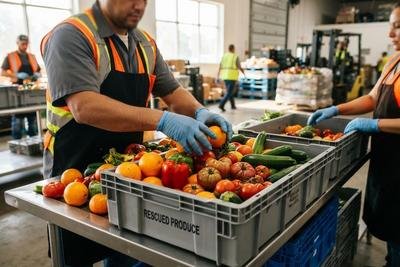
During the visit, Administrator Zeldin examined how the organization partners with farmers, retailers, and distributors to recover surplus agricultural products, including dairy, beef, seafood, and produce. By delivering fresh food to the community, these initiatives also help growers defray their harvesting and packing expenses. Zeldin also toured the organization’s warehouse and culinary training facilities to discuss the potential for expanding food recovery programs and exploring waste-to-energy solutions such as biodigestion.
“Across the country, farmers and businesses are producing valuable resources that too often end up in landfills,” said Administrator Zeldin. “What South Florida has accomplished through its food recovery network offers lessons for communities nationwide. As EPA updates its National Recycling Strategy, we have an opportunity to share what is working at the local level and help others build upon that success.”
Monroe, Miami-Dade, Broward, and Palm Beach counties are served by Feeding South Florida. It partners with 600 retail sites to manage operations. Robin Safley, the CEO of Feeding Florida, stated, “Food recovery has become an important part of Florida’s agricultural supply chain.” “We are helping growers recover value from products that would otherwise go to waste while making fresh, nutritious food available to our communities.”
The visit served as part of the EPA’s “Feed It Onward” initiative, launched in 2025. Since the 2025 launch of Feed It Onward, 105 partner organizations have collaborated with the EPA. These groups focus on waste prevention, food recovery, composting, animal feed, and circular economy strategies. The EPA intends to utilize these collaborations to refine national strategies for resource conservation and waste reduction.
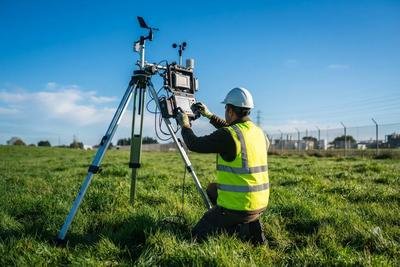
Image is an illustration created with AI for general context
Source: EPA