
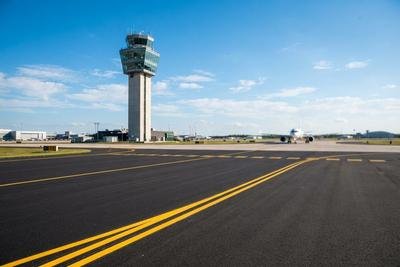
McKinney National Airport has reached a significant operational milestone after receiving a Part 139 Airport Operating Certificate from the Federal Aviation Administration. This regulatory authorization allows the facility to begin hosting commercial passenger airline service. The FAA reports that a Texas airport has not attained this certification since 2005, making this a milestone for the facility. The certification process requires airport operators to prove they meet rigorous federal safety and operational standards. These criteria encompass a variety of areas, including the maintenance of runway and taxiway pavement, emergency planning protocols, wildlife hazard management, aircraft rescue and firefighting services, and comprehensive staff training. By achieving these compliance benchmarks, the airport demonstrates its readiness for the operational demands of commercial aviation. To support this transition, the FAA has directed more than $9 million toward critical infrastructure projects at the facility. These investments targeted key enhancements, including new taxiways and upgrades to the federal contract tower serving the airport. Additional efforts to modernize the facility include the 2025 installation of high-speed fiber optic cabling, which was funded to enhance communications infrastructure. The federal government noted that this initiative is part of a broader push to strengthen the national aviation network. Dan Edwards, FAA Associate Administrator for Airports, said the change offers Texans modern, reliable travel. The surrounding community continues to grow rapidly. For the aviation insurance sector, the shift to commercial passenger service at McKinney National Airport signals a transition in the facility’s risk profile. Underwriters and brokers should note that the transition from a general aviation facility to a commercial service airport entails increased liability exposures related to passenger operations and higher-density flight activity. Industry experts anticipate new underwriting requirements for terminal operations, ground handling, and airport liability coverage. These changes are expected as the facility begins its role within the National Airspace System. Source: Federal Aviation Administration
Image is an illustration created with AI for general context
Source: Federal Aviation Administration










