
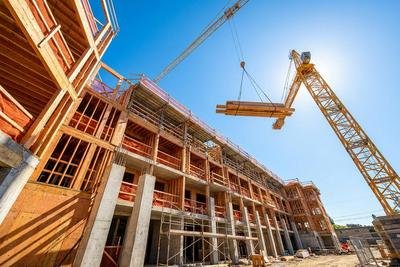
Findings from the National Association of Home Builders (NAHB) show that the 21st Century ROAD to Housing Act now incorporates updates for multifamily construction projects. By addressing longstanding financing limitations and updating federal programs, the legislation aims to increase the production of apartment units across the country.
The Federal Housing Administration (FHA) must modernize its multifamily loan limits under the Housing Affordability Act, which is Section 211. Previously, these statutory limits remained stagnant for more than 23 years, which created significant hurdles for developers as construction costs rose. Financing capacity must now track market realities through annual inflation adjustments that the Housing and Urban Development Department is required to publish.
Legislators modernized the HOME Investment Partnerships Program by passing a reform initiative called the HOME Investment Partnerships Reauthorization and Reform Act. Projects are often supported by this initiative in tandem with LIHTC, also known as the Low-Income Housing Tax Credit. New reforms grant developers more flexibility to utilize these funds for basic infrastructure and provide exemptions from rigid environmental reviews for smaller projects consisting of one to four units. While these changes are intended to boost affordable housing supply, the industry anticipates a transition period as federal officials finalize the necessary rulemaking and administrative guidance.
Increasing the cap on PWI—or Public Welfare Investment—also expands the financial resources available for affordable housing initiatives. The law lifts the ceiling from 15% to 20%, allowing national banks to commit more capital toward community development efforts, including LIHTC-backed ventures. Supervisory standards at the Federal Reserve and the Office of the Comptroller of the Currency are being revised to match this updated threshold. Additionally, both agencies must provide Congress with a formal assessment of these public welfare investments within the next two years.
For insurers and developers, these shifts signal a potential increase in construction activity and capital flow. Aligning financing limits with market costs and expanding lending capacity for national banks may stabilize development pipelines. This creates more opportunities for long-term project underwriting and liability coverage as the sector adapts.
Image is an illustration created with AI for general context










