
A bipartisan group of U.S. Senators recently released the Bipartisan American Affordability and Jobs Act of 2026, which is numbered 6, to help construction projects finish ahead of schedule. On September 30, negotiators from the Energy and Natural Resources Committee and the Environment and Public Works Committee finalized this proposal. The Associated General Contractors of America (AGC) supports these findings. The bill has received support from the White House.
Key sponsors of the legislation include Senators Martin Heinrich, Mike Lee, Shelley Moore Capito, and Sheldon Whitehouse. The proposal addresses several long-standing concerns regarding federal project approvals, specifically targeting the inefficiencies that currently inflate costs and delay development. The AGC noted that prolonged regulatory reviews and associated litigation often force firms to reduce staff or delay hiring, which creates instability for the skilled workforce.
Central to the bill are significant changes to the National Environmental Policy Act (NEPA). The bill aims to lower the time allowed for legal complaints regarding National Environmental Policy Act decisions, cutting the current six-year period to 150 days. Additionally, the bill mandates that any party wishing to challenge a NEPA decision must have actively participated in the initial agency review process. These updates are intended to provide greater predictability for contractors and developers.
The proposal also incorporates reforms for Clean Water Act permitting. These provisions align with broader industry goals to stabilize requirements for water-quality conditions and limit retroactive agency vetoes. Furthermore, the bill introduces a move to extend permit coverage durations from 5 years to 10 years. This extension mirrors language found in other legislative efforts, such as the PERMIT Act and the SPEED Act, which have previously moved through the House.
For insurers and risk managers, these developments signal potential shifts in the litigation landscape for large-scale infrastructure and construction projects. By narrowing the window for judicial review and requiring earlier involvement from stakeholders, the bill could decrease the volume of long-term legal volatility surrounding major developments. As the legislative process continues, industry professionals will need to monitor how these procedural changes impact project underwriting and the potential for extended project lifecycles.
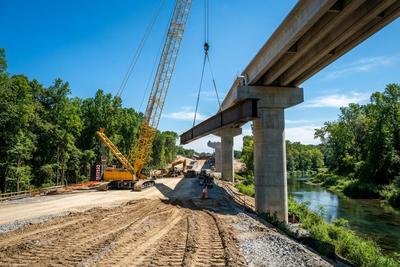
Image is an illustration created with AI for general context










