
Treasury Department officials of the U.S. On August 24, 2026, Secretary Bessent introduced Operation Economic Outcast, labeled Economic D-Day and designated 20/sb0613. This action expands Executive Orders 13871 and 13902. These measures seek to dismantle logistical networks supporting the IRGC and the Iranian regime, including entities like jy2270, a subsidiary of the Bahman Group.
Treasury Secretary Scott Bessent stated that the action is intended to diminish the regime’s ability to fund its military activities and terror operations. The initiative focuses on severing the procurement channels and revenue streams that Iran relies on to bypass international pressure. By issuing new sectoral sanctions determinations under Executive Order (E.O.Under E.O. The Office of Foreign Assets Control is now authorized to penalize Iranian rail and automotive sectors for shadow banking activities occurring since 2025, using Executive Order 13902.
Designations include Iran Khodro Company and SAIPA, which produce 1,500,000 vehicles annually, plus Niroo Motor Shiraz, which manufactures 6,000 motorcycles, and their various subsidiaries. These automotive manufacturers are accused of maintaining deep ties to the IRGC and participating in activities that facilitate corruption and illicit financing. The Treasury penalized suppliers in Turkiye, Indonesia, Hong Kong, and the UAE for aiding Iranian firms, noting Germany-based Tech-Trade International Impex GmbH shipped 870 units to Mobarakeh Steel Company. Under 31 CFR 501, appendix 20501, whistleblowers providing tips worth over 1,000,000 may receive awards.
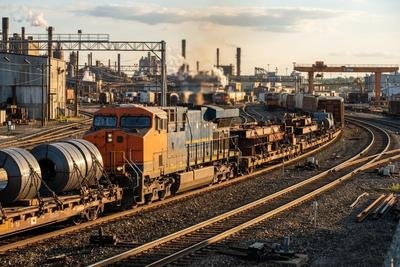
Officials are also sanctioning Iran’s rail sector, including its passenger affiliate and the Islamic Republic of Iran Railway Company. These rail assets are vital for moving goods and oil, helping to bypass current maritime blockades. The manufacturing and metals sectors also face scrutiny, including firms like Farab Soroush Afagh Qeshm Company, identified by the serial 0477 as a key revenue source. Entities involved in the production of steel and heavy construction machinery have faced designation due to their roles in supporting the regime’s industrial base.
For insurance professionals, the scope of these sanctions is critical. Designated parties must have their assets and holdings frozen if they are located inside U.S. borders.S. Assets managed by U.S. entities are subject to these freezes. Any firm with 50 percent or greater ownership by sanctioned parties faces similar constraints. Underwriters must track these connections.S. persons are blocked. Any entity owned 50 percent or more by blocked persons also faces these restrictions. Compliance teams and underwriters must note that transactions with these entities are generally prohibited. Involvement may result in severe civil or criminal penalties, including secondary sanctions for foreign financial institutions.
Image is an illustration created with AI for general context
Source: U.S. Department of the Treasury










